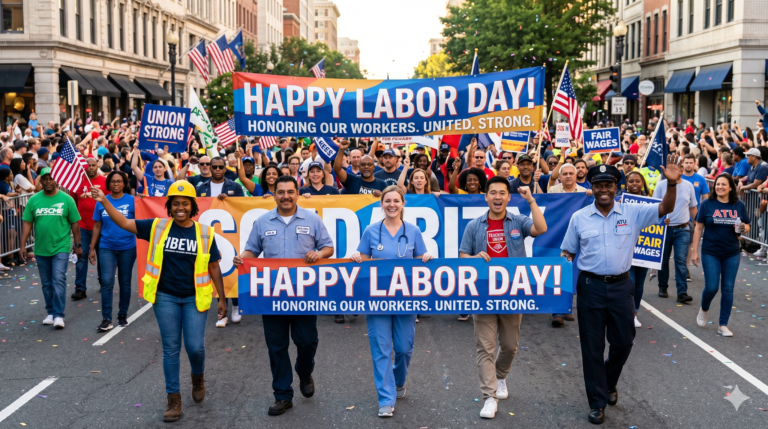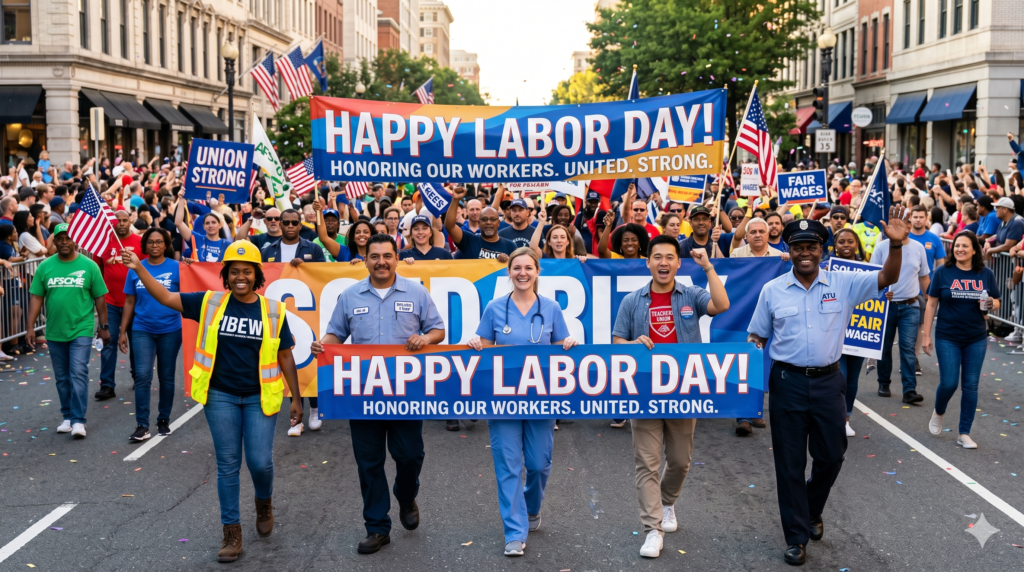
Labour Day is celebrated every year on May 1 across many countries, including India, to honour the hard work, dedication, and achievements of workers. Also known as International Workers’ Day or May Day, this important occasion recognises the contribution of labourers, employees, and working communities who help build economies and societies through their daily efforts.
In India, Labour Day carries historical, social, and economic significance. It is observed as a public holiday in several states and serves as a reminder of workers’ rights, fair wages, safe workplaces, and dignity of labour. Whether it is factory workers, office professionals, delivery staff, farmers, healthcare workers, or teachers, every profession contributes to national progress.
This blog explores the history, importance, celebrations, and relevance of Labour Day in the modern world.
What is Labour Day?
Labour Day is a day dedicated to recognising workers and labour movements that fought for fair treatment, better wages, and humane working conditions. It is a celebration of the workforce that drives industries, businesses, and public services.
The day also spreads awareness about:
- Workers’ rights
- Fair pay and equal opportunities
- Reasonable working hours
- Safe working conditions
- Social security benefits
- Respect for all forms of labour
Labour Day reminds us that progress is made possible through the efforts of millions of workers across different sectors.
Why is Labour Day Celebrated on May 1?
The date of May 1 is linked to the historic labour movement in the late 19th century. During that time, workers in many countries demanded an eight-hour workday, as they were often forced to work 10 to 16 hours under harsh conditions.
One of the most significant events connected to Labour Day was the Haymarket Affair in Chicago, USA, in 1886. Workers organised strikes and protests demanding fair working hours. The movement became a symbol of workers’ unity and struggle worldwide.
Later, May 1 was chosen as International Workers’ Day to honour those efforts and continue advocating for labour rights globally.
History of Labour Day in India
In India, Labour Day was first celebrated in 1923 in Chennai (then Madras). The event was organised by the Labour Kisan Party of Hindustan under the leadership of Comrade Singaravelar.
It was one of the first occasions when May 1 was officially observed in India to support workers and labour rights. Red flags were used during the celebration, symbolising solidarity and the workers’ movement.
Since then, Labour Day has become an important occasion across India, especially in industrial and working-class communities.
Importance of Labour Day in India
India has one of the largest workforces in the world. From agriculture to manufacturing, technology to transportation, workers form the backbone of the economy.
1. Recognising Workers’ Contributions
Every road built, package delivered, software created, and crop harvested reflects the hard work of labourers and employees. Labour Day is a moment to appreciate their efforts.
2. Promoting Workers’ Rights
The day raises awareness about labour laws, minimum wages, benefits, healthcare, and safe working environments.
3. Encouraging Equality
Labour Day reminds society that every job deserves respect, regardless of profession or status.
4. Inspiring Better Work Culture
Modern organisations use the occasion to promote employee well-being, work-life balance, and fair treatment.
How Labour Day is Celebrated in India
Celebrations of Labour Day vary across states, industries, and organisations. Common ways include:
Public Holidays
Many Indian states observe May 1 as a public holiday. Offices, schools, and businesses may remain closed.
Speeches and Events
Trade unions, organisations, and institutions conduct events focused on workers’ rights and achievements.
Appreciation Programs
Companies often recognise employees through awards, messages, or team celebrations.
Awareness Campaigns
Many groups run campaigns about fair wages, workplace safety, and employee welfare.
Community Gatherings
Workers and labour groups gather to celebrate unity and discuss current issues affecting the workforce.
Labour Day in Different Indian States
In India, Labour Day is known by different names in various regions:
- Maharashtra Day – Celebrated in Maharashtra on May 1 along with Labour Day
- Gujarat Day – Observed in Gujarat on the same date
- Kamgar Din – Common term in some states
- Uzhaipalar Dhinam – Tamil Nadu
- Karmikara Dinacharane – Karnataka
This reflects how Labour Day has both national and regional importance.
Why Labour Day Matters in the Modern World
Even today, Labour Day remains highly relevant because workers still face many challenges, such as:
- Income inequality
- Long working hours
- Job insecurity
- Lack of benefits
- Unsafe working conditions
- Contractual and temporary employment issues
- Stress and burnout
As workplaces evolve due to technology, remote work, automation, and gig economy jobs, Labour Day reminds us to ensure progress benefits workers too.
Labour Day and the Corporate World
Today, Labour Day is not only about factories or manual labour. It also applies to modern office culture and corporate workplaces.
Organisations increasingly focus on:
- Mental health support
- Flexible working hours
- Diversity and inclusion
- Skill development
- Career growth opportunities
- Employee recognition programs
Forward-thinking companies understand that treating employees well leads to higher productivity, loyalty, and success.
The Value of Every Worker
One of the biggest messages of Labour Day is that no work is small. Every profession plays a role in society.
Examples include:
- Doctors and nurses saving lives
- Teachers shaping futures
- Farmers feeding nations
- Drivers keeping cities moving
- Engineers building infrastructure
- Cleaners maintaining hygiene
- Delivery workers supporting convenience
- Office teams running businesses
Labour Day encourages gratitude for every worker who contributes to daily life.
How You Can Celebrate Labour Day
You don’t need a big event to celebrate Labour Day. Simple actions can make a difference:
Thank Workers Around You
Show appreciation to domestic staff, security guards, drivers, cleaners, and service workers.
Respect Every Profession
Treat all workers with dignity and kindness.
Support Fair Workplaces
Encourage equal opportunities and fair treatment at work.
Learn About Labour Rights
Understand employee rights, safety laws, and ethical business practices.
Recognise Your Own Efforts
If you work hard every day, Labour Day is also a reminder to appreciate yourself.
Labour Day Quotes
Here are a few meaningful Labour Day quotes:
- “All labour that uplifts humanity has dignity.”
- “Hard work is the foundation of every success.”
- “The strength of a nation lies in the hands of its workers.”
- “No work is insignificant when done with honesty.”
Conclusion
Labour Day is more than just a holiday. It is a tribute to workers who shape the world through effort, discipline, and determination. From historical labour movements to modern workplace reforms, the day symbolises fairness, equality, and respect for all professions.
In India, Labour Day also reflects the nation’s diverse and hardworking workforce that powers growth across every industry. Whether in factories, offices, farms, hospitals, schools, or homes, workers are the true builders of society.
As we celebrate Labour Day on May 1, let us honour every individual whose hard work keeps the world moving forward.
 20
20
 20
20
 20
20